


Music Upper: MP3 Player & Edit
4.6253.00 Reviews
App Specs
- Version
- 1.1.7
- Updated On
- License
- Free
- Downloads
- 500,000+
- Developer
- Afran sarkar
- Categories
- Music & Audio
- Platform
- Android
Screenshots
 Analysis by AppCompare
When I first tried Music Upper: MP3 Player & Edit, I wanted a straightforward way to listen to audio I already had and make small changes without jumping between several apps. That is the kind of job this music and audio app sets out to handle. I found it approachable for a first-time user, although some of the more specific claims about editing and playback deserve a practical caveat: what matters is whether the controls available on your device suit the task you have in mind.
What to expect from a local music player
Think of Music Upper as a companion for a personal audio library, rather than a replacement for a streaming service. Its appeal is in keeping listening, library organization, and audio editing close together. If your phone already holds songs, recordings, or other audio files, that kind of setup can be more useful than opening a service designed mainly around browsing a large online catalog.
The distinction matters. A streaming app is usually the better choice when you want to discover unfamiliar artists, follow curated stations, or access a catalog you have not saved locally. A file-focused player is more practical when you want to return to specific tracks you own or have stored on your device. I would choose based on that habit, not on the assumption that one type of app can replace the other.
The app is free, has a Teen content rating, and is developed by Afran sarkar. Its current version is 1.1.6, and it runs on Android 9 or later. It has a 4.5 average from around 1.1 thousand ratings, with over 500 thousand installs. Those figures suggest that it has found an audience, but I would still judge it by how comfortably it handles the files and listening routines that matter to you.
Getting Started with Music Upper
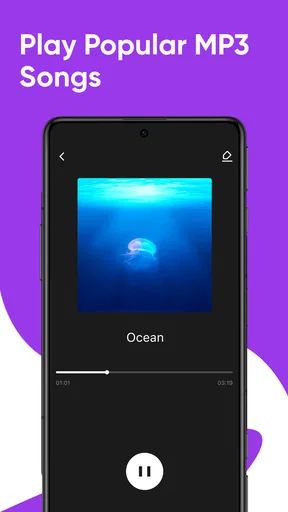
First things first, I downloaded Music Upper: MP3 Player & Edit from the app store, and the initial setup was a breeze. The interface is super intuitive, like it's inviting you to dive right into your music world. As soon as I opened it, I was welcomed with a sleek and modern design that just screamed ‘user-friendly’. No complicated menus or endless tutorials, just music at my fingertips.
First setup: make the library useful
On a first launch, I would begin by thinking about what I want the library to contain. A tidy folder of albums, a few workout tracks, or personal recordings are easier to work with than a phone full of scattered downloads. Keeping related files together before opening the player can make browsing and searching feel more manageable, especially if your collection has grown over time.
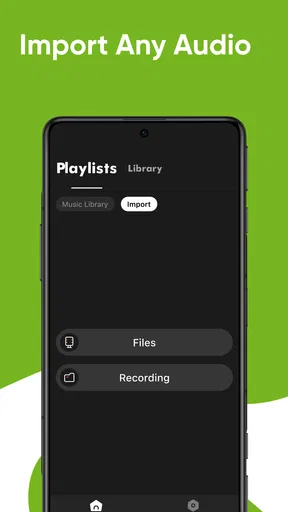
If the app asks to access audio on the device, that request makes sense for a player that needs to find local files. I would review the prompt and allow only the access needed for that purpose. If the library looks incomplete afterward, I would first check where the audio files are saved and whether they are in a location the app can read, rather than assuming the tracks have disappeared.
Worth Reading Before You Choose

Flipboard Shows What News Apps Must Do Beyond the Feed

Switching to Android Auto Means Rethinking Your Driving Routine

Google Calendar Makes a Crowded Week Easier to Manage

Ludo King Makes the Most of the Minutes Between Plans

Baby Panda World Brings Quick Play to Modern Phones, but Its Game Library Feels Busy

ESPN’s Live Game View Makes Following Close Games Easier
One useful habit is to test the app with a small, familiar group of tracks before relying on it for a large collection. Pick one song you know well, one file in a different format if you have one, and perhaps a recording you may want to trim. This quick trial helps you learn how the library presents your files and where the controls you care about are, without making your first session feel like a cleanup project.
Features That Stand Out
Now, let’s talk about what makes this app tick. One of the first things that caught my eye was the editing feature. I mean, how cool is it to be able to edit your tracks right within the app? You can trim, cut, and even add effects to your songs. It’s like having a mini-studio in your pocket. I tried it with a couple of my favorite tracks, and the process was seamless. You don’t have to be a tech wizard to figure it out, trust me.
For an everyday use, I would treat track editing as a focused tool, not a full production setup. A useful example is shortening a long recording to keep the part you want to replay, or preparing a clean excerpt for personal listening. Before changing an original file, keep an untouched copy if the recording matters to you. That small precaution is more valuable than rushing through an edit, because a short crop can be difficult to undo if you later decide you preferred the full track.
There is also a practical distinction between editing audio and creating a polished music production. Trimming a section is a simple, bounded task; shaping a finished mix can involve detailed controls and repeated listening on different equipment. I would use a dedicated audio editor for precise production work, but try the in-app tools first when I only need a quick adjustment. That is where an editor built into a player can save time without pretending to be a desktop studio.
Another feature I loved is the equalizer. It’s not just any equalizer, it’s a fully customizable one. You can tweak the sound to your liking, whether you’re into bass-heavy tunes or something more balanced. It really lets you personalize your listening experience to match your mood or the genre of music you’re into at the moment.
My advice is to make sound adjustments gradually. If a track suddenly seems muddy or harsh, return the equalizer to a neutral setting before changing several controls at once. That gives you a reliable comparison and helps separate a recording issue from a preference in playback. A bass-heavy setting might suit a workout playlist, for instance, but it can make spoken audio less clear; keeping the original sound easy to restore avoids having to guess which change caused the difference.
Navigation and Usability
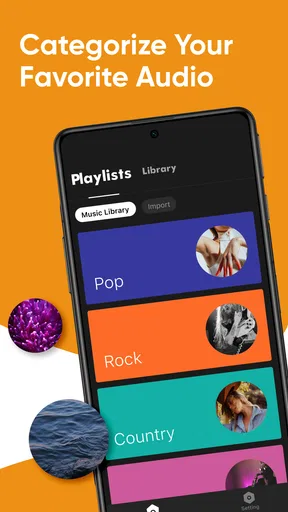
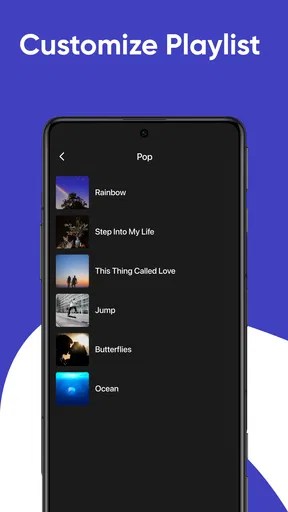
You know how some apps just make you feel lost? Not here. Navigation is straightforward, with everything just a tap away. The library organizes your music neatly, and searching for tracks is swift, thanks to the efficient search function. You can filter by album, artist, or even create your custom playlists. It’s all about putting you in control of your music journey.
For a busy day, I would make one playlist for a specific purpose rather than trying to reorganize the entire library at once. A commute playlist, for example, can bring the tracks I actually want to hear into one place, while albums and artist views remain useful when I want to browse more deliberately. Search also works best when I know what I am looking for; if my files have inconsistent names, tidying those names outside the player may help more than repeatedly searching.
The app also supports various audio formats, so you’re not stuck with just MP3s. Whether it’s WAV, AAC, or FLAC, you’re covered. I found this particularly useful because I have a mix of formats in my collection.
Format support is helpful, but it does not remove every compatibility wrinkle. A file can be in a familiar format and still behave differently because of its encoding or the way it was saved. If one track does not appear or play as expected, I would compare it with a known-working file and check that it is stored locally and named sensibly. Testing before moving a whole collection is the easiest way to avoid a frustrating surprise.
Common confusion: player, editor, or streaming app?
A first-time user may wonder whether this is meant to find music online or play a personal collection. I would approach it as a local library player: the most reliable first success is finding an audio file already on the phone, playing it, and confirming that the library view makes sense. If the phone has no audio files saved, there may be little to explore until you add some. For discovery and on-demand catalogs, a streaming service is a more natural fit.
Another question is whether editing changes the song everywhere. I would not assume that an edit automatically replaces every copy or updates a file stored elsewhere. Check the result in the app, keep a backup of anything important, and listen through the changed section before deleting an original. That workflow is especially useful for voice recordings or rare files that cannot be easily downloaded again.
People also often ask whether they need to adjust the equalizer at all. They do not. I would start with the default sound, then change it only if a particular set of headphones or a particular genre sounds better with a small adjustment. Equalizer controls are a preference tool, not a required setup step, and leaving them alone is perfectly reasonable if the sound already works for you.
A realistic first success
Picture getting ready to leave in the morning and wanting a few familiar tracks for the trip. I would open the library, search for one song, play it, and then gather the rest of the commute choices into a playlist if that option is available in the version I am using. The win is not building a perfect library before breakfast; it is reaching the music I wanted without switching between folders and apps.
Later, at home, I might try the equalizer with headphones and compare a small change against the original sound. If I have a long spoken recording, I could explore the editing controls on a duplicate rather than experimenting on the only copy. This order keeps the first session low-pressure: playback first, personal adjustments second, and file editing only when there is a clear reason to do it.
Why It’s a Game Changer
So, what makes this app stand out from the countless other music apps out there? For me, it’s the combination of simplicity and functionality. Music Upper: MP3 Player & Edit doesn’t overwhelm you with features you’ll never use. Instead, it focuses on what truly matters: enhancing your music listening experience. It’s like having a DJ, sound engineer, and playlist curator all rolled into one app.
I would describe the advantage more modestly: having playback and basic audio adjustments in one place can reduce app switching for ordinary listening. It is not automatically better than a specialist player with a workflow you already know, and it is not a substitute for a full editor when precise production controls matter. If you mainly listen to saved audio and like the idea of trying small edits or sound changes, that combination is the reason to give it a fair test.
And let’s not forget the little things. The app also lets you customize themes. So if you’re into aesthetics like I am, you’ll enjoy tweaking the look of the app to match your style. It’s these thoughtful additions that make it feel like a comprehensive package for any music lover.
Theme changes are a nice finishing touch, but I would treat them as optional rather than the reason to install. First make sure the library is usable and playback fits your routine; then adjust the appearance if you want the player to feel more personal. That order keeps the setup practical and makes it easier to tell whether the app is helping with the main job you installed it for.
Who will get the most from it?
I think this is a sensible choice for someone who keeps music or recordings on their phone and wants to browse, play, and make occasional adjustments without learning a complicated editing suite. It may also suit listeners with a mixed-format collection who want to test how their saved audio behaves in one player. The current release is version 1.1.6, so I would check that the installed version on my device matches the current one if a control or screen differs from what I expect.
I would skip it if my main goal were to stream new releases, discover artists through recommendations, or produce music with detailed multitrack tools. A familiar streaming app is better for the first two needs, while a dedicated editor is the safer pick for serious production. I would also avoid making it the sole home for irreplaceable recordings until I had tested playback and editing on copies of those files.
Final Thoughts
In the crowded world of music apps, finding one that genuinely caters to your needs can feel like searching for a needle in a haystack. But with Music Upper: MP3 Player & Edit, I think I’ve found a gem. It blends functionality with ease of use, making it perfect for both casual listeners and hardcore music enthusiasts. Whether you’re on a commute, working out, or just chilling at home, this app has something to offer.
My honest recommendation is to start with one familiar track and decide whether the library, sound controls, and editing approach fit how you actually listen. The free price makes that a low-commitment trial, but the right choice still depends on your routine: a local player is handy for audio you keep, while streaming and specialist editing apps are better at their own jobs. If Music Upper makes your saved tracks easier to reach and gives you useful ways to personalize them, it has earned a place on your phone. Happy listening!
Pros
- User-friendly interface with intuitive navigation.
- Supports a wide range of audio formats.
- Built-in equalizer for enhanced sound quality.
- Offline playback without internet needed.
- Customizable playlists for personal organization.
Cons
- Ads can be intrusive during use.
- Limited editing features in free version.
- Occasional crashes on older devices.
- No cloud sync for playlists.
- Lacks integration with streaming services.
FAQs for Music Upper: MP3 Player & Edit
What features does Music Upper: MP3 Player & Edit offer?
Music Upper: MP3 Player & Edit provides a comprehensive suite of features for music enthusiasts. It includes a high-quality MP3 player with customizable equalizer settings, playlist creation, and a user-friendly interface. Additionally, it offers editing tools for trimming and mixing tracks, allowing users to personalize their music experience effectively.
Is Music Upper compatible with both Android and iOS devices?
Yes, Music Upper: MP3 Player & Edit is designed to be compatible with both Android and iOS platforms. This cross-platform compatibility ensures that users can enjoy its features regardless of their device, making it a versatile choice for a wide range of users who love music and audio editing.
Does Music Upper support offline music playback?
Absolutely. Music Upper: MP3 Player & Edit supports offline music playback, allowing users to listen to their favorite tracks without an internet connection. This feature is particularly useful for users who travel frequently or have limited data plans, ensuring uninterrupted music enjoyment anytime, anywhere.
Are there any costs associated with using Music Upper?
Music Upper: MP3 Player & Edit offers a free version with basic features. However, for users seeking advanced functionalities like premium editing tools and ad-free experience, there is a paid version available. This tiered pricing model allows users to choose based on their specific needs and preferences.
How user-friendly is Music Upper for beginners?
Music Upper: MP3 Player & Edit is designed with an intuitive interface, making it user-friendly even for beginners. The app includes guided tutorials and a help section to assist new users in navigating its features easily. Whether you’re editing music or simply playing tracks, the app is accessible and straightforward.


